
All aspiring shutterbugs start with the same basic question: what camera should I buy?
The common way most of us do research is with a Google search, like "best camera 20XX." This strategy often leads you down a rabbit hole of conflicting opinions that many times try to lead the witness and ultimately aren't that helpful. So this guide will attempt to remain brand-neutral and direct your thinking down avenues that are useful to how you want to shoot.
Cameras vs Systems
At the time of this writing (and forevermore), cameras are amazing. So amazing, in fact, that there's a whole portion of the market dedicated to reproducing the "vintage" feel of old cameras and lenses, which typically means pursuing technically inferior optical quality in favor of perfection.
Speaking for men everywhere, we really have to appreciate the allure of charming imperfection over flawlessness... and/or our partner's (questionable?) judgement.
Rather than focus on specific cameras, the best way long term way to decide which camera to buy is to evaluate the entire system. I won't cover every make and model here, but will give you some general guidelines that will be just as valid if you read this in 2025 as in 2055.
Camera Systems: Things to Look For
There's no single universal lens mount that works across all camera brands. So when you're buying a camera, you're sorta locking into that brand's mount. Sure, there are lens makers like Sigma, Tamron, Voigtlander, and many others that produce the same lenses in a variety of mounts, but there's a TON of subjectivity as to who makes the best lenses, cameras, and other accessories.
The most important idea in this post is there's no wrong answer. I prefer Nikon cameras and lenses. I've worked with many photographers that feel equally as strong about Canon. If you took a subset of all of our favorite photos, you'd see style and artistic differences, for sure, but as far as technical or qualitative deviations? None that you'd find easy to notice.
User Interface
There are generally two flavors:
- Cameras that have a dedicated button/dial for every primary function
- Cameras that bury settings in the UI and have a cleaner aesthetic
That description may sound like one is better than the other, but in most practical circumstances the only things you need to constantly adjust are shutter speed, aperture, and ISO... and almost all cameras have buttons/dials for these.
Having more dedicated buttons can be intimidating to learn, but one counterpoint is they expose you to settings you may not have dabbled with if you had to navigate menus to find them.
Best advice here is to go to a camera store and handle a few cameras. See what feels good to you.
I have a bias towards Nikon, which tends to have more buttons and dials than other camera makers. The main argument here is when you're in the moment, you need to be able to react quickly. Buttons help you do that, but so does deep familiarity with a menu system. So like I said: it just comes down to personal preference.
Full Frame vs Cropped Sensors
You'll be confronted with these terms almost right away as you begin researching cameras. Here's a helpful summary of each type of sensor
| Sensor Type | Pros | Cons | Typical Use |
|-------------|------|------|-------------|
| **Full Frame** | Best low-light performance | More expensive; larger bodies | Portraits, landscapes, professionals |
| **Crop Sensor (APS-C)** | More affordable; smaller & lighter | Less dynamic range | Travel, beginners, casual shooters |
| **Micro Four Thirds** | Very compact; huge lens ecosystem | Even smaller sensor | Travel, street photography |
There’s no “wrong” option, the right sensor just depends on your use case. If you need to shoot in lower light settings and will be producing large prints, full frame helps. If you want something lightweight to take everywhere, smaller sensors might be better.
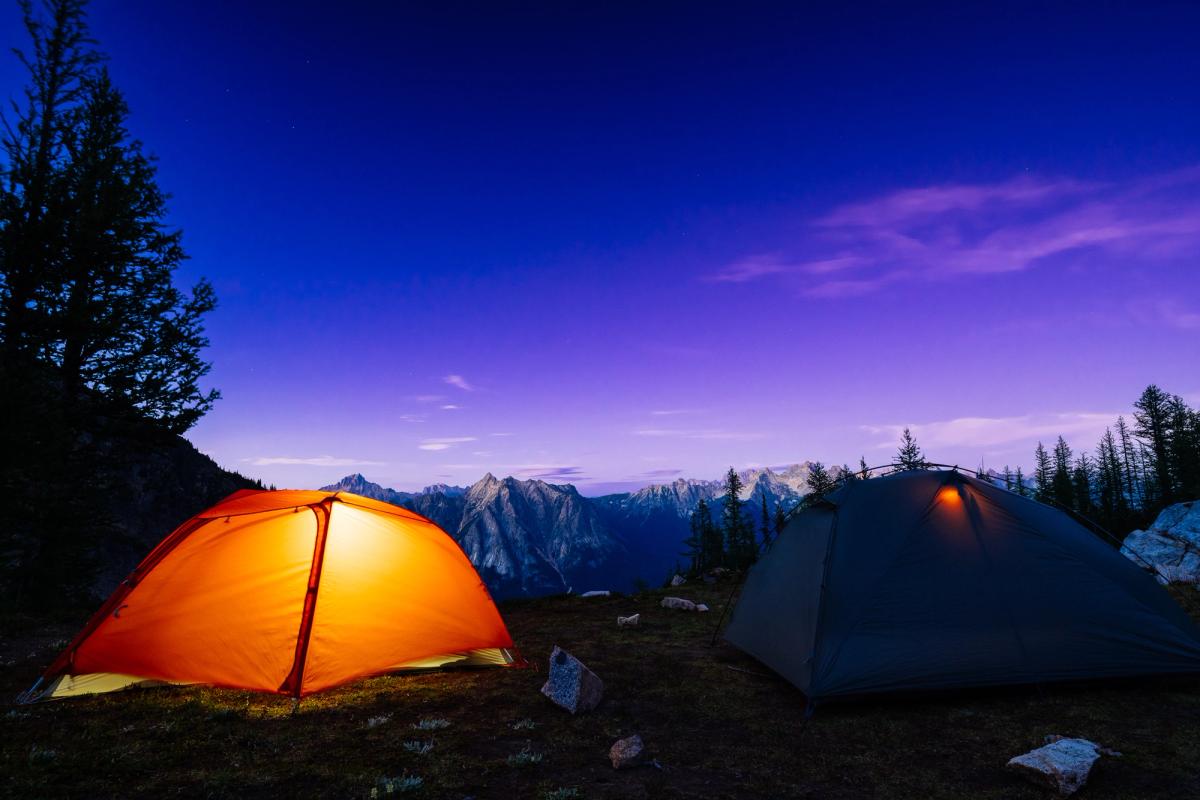
A recent personal anecdote: I've always been a full frame shooter. I went on a backpacking trip this summer with a friend and lugged my Nikon Z8 with a 14-24mm f/2.8 lens. For the uninitiated, this is ~3 or 4 pounds of kit and it's massive. I'd have had a significantly easier time hiking the Cascades with a smaller system and immediately started researching other camera systems for this particular use case. I ultimately determined that the only other system I would like was Leica's M-series, but that's a huge investment. Easier solution was just getting in better shape before climbing 4000 feet!
Lenses
Camera bodies get updated every few years. Lenses don’t. A great lens can outlive three or four generations of camera bodies and still deliver stunning results. Many photographers still use lenses 30, 40 and even 50 years old. The reason is the physics of light haven't changed, just manufacturing techniques.
That’s why it’s smart to think lens-first, camera-second. Ask yourself:
- Does this system offer lenses for the styles I want to shoot?
- Are there primes (fixed focal length) and zooms that fit my needs?
- Can I grow into more specialized lenses later?
- Are third-party lens makers active in this mount?
If the answer is “yes” across the board, you’re safe. Even an entry-level body can produce incredible images if paired with the right glass. This is largely why my big summary take is "it doesn't matter. Just get out there and shoot with something."
The Ecosystem Around the System
A camera system is more than the body and lenses. It’s a collection of trade-offs that either help or hinder the way you like to shoot. Apart from the menu layout and UI philosophy, you're committing to:
- The autofocus performance
- The color science (how the sensor interprets light and skin tones)
- The availability of adapters and third-party accessories
- The software ecosystem for editing and transfer
- Battery life, weight, ergonomics, and weather sealing
These things are important, but I'm not deep-diving them each in turn for one single reason: all modern cameras do all of these things well. Sure, there's nuance from one season to another, but in my practical experience... the differences generally aren't enough to matter among brands like Nikon, Canon, and Sony.
Thinking Ahead
Before buying anything, ask yourself one question:
If I became more serious about photography a year from now… would this system still hold up?
You want a system that lets you:
- Start simple
- Grow over time
- Swap lenses between bodies
- Access used gear in the market
- Stay compatible without buying everything all over again
That’s what makes shooting enjoyable over the long term—your gear doesn’t become a wall between you and the image you’re trying to make. It becomes invisible.
Final Thought
You don’t need the best camera—you need the one that makes you want to go outside and shoot today.
Momentum matters more than megapixels.
Whether it’s a vintage film camera, a $500 used crop sensor, or the latest flagship model… the best camera is the one you have with you (that's an Ansel Adams quote, and he knew a thing or two about photography).
Now go outside and shoot something!